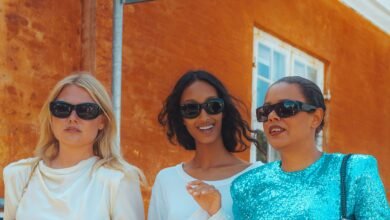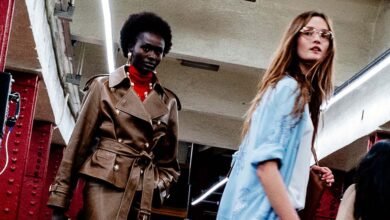

For over 70 years, the Cannes Lions festival has welcomed marketing and advertising suits to the South of France for a week of schmoozing and dealmaking. In recent years, though, a new crowd has descended on the French Riviera: influencers. And in 2026, they were front and center, speaking on panels, attending lunches, dinners and parties, and taking meetings along the Croisette.
For some, it was the farthest they’d gone into the business side of content marketing. Cannes may be a fabulous setting for a conference, but it’s a conference nonetheless. For most influencers, they’ve built followings online because they’re funny or aspirational, not because of their business savvy. Now, brands more often want them to take on the role of representatives at industry events — and to contribute to marketing strategies back home.
“The role of an influencer/creator in 2026 looks very different from what it was,” says influencer marketing agency Ponte Firm founder Shana Davis. Caroline Wilson, an executive in UTA’s brand advisory group, refers to creators as “a marketing strategy” in and of themselves, as opposed to a prong or add-on in a larger marketing machine separate from them. These days, creators tend to be part of brand campaigns, rather than simply amplify them.
Nikita Walia, strategy director at brand and venture
Nikita Walia, strategy director at brand and venture studio Unnamed, who sits at the cusp of creator and brand strategist, thinks of creators as businesspeople. “They understand their audiences, build their own intellectual property and make sophisticated decisions about positioning, partnerships and growth,” she says. “The relationship is moving from ‘make this content for us’ toward ‘help us determine what is worth making in the first place’.”
As Vogue Business predicted at the beginning of the year, creators are being brought into the brand fold to act not just as talent or marketers, but as consultants.
This is the direction that the creator economy has been evolving toward in recent years, Davis says. “Creators are being taken more seriously, and the ones riding that next wave of success are growing beyond one-off content and thinking longer-term.” Often, though, brands don’t publicize the strategy work creators are doing with them. Brandon Edelman, a TikToker known as Bran Flakezz with 1.4 million followers, posted on the ground from the festival that Cannes Lions was like “Spring Break for your boss’s boss”, and marveled at the business execs letting loose during late nights.
Edelman, who worked on the social media team at Gopuff before becoming a full-time creator, regularly posts content about the world of navigating brand partnerships and says he’s been hired by companies to consult with his team on creator partnership best practices. “A lot of brands are like, ‘We need to use creators also to talk back to us and be like, ‘Here’s what we’re doing wrong and here’s what we should be doing.’’”
On the top-tier talent scale, at Cannes Lions, Coach launched &Coach, a content series co-created with Gen Z creators and talent including Paige Bueckers and Angel Reese, Malala and PinkPantheress.
The project will continue to evolve and influence
The project will continue to evolve and influence how Coach works with creators behind the scenes. Beauty brands have led the charge on this strategy; earlier this month, Laura Mercier launched The Laura Mercier Collective, which is a group of creators hired to consult internally and represent the brand externally. Smart brands are playing into creators’ expertise, which isn’t always overarching marketing tactics.
Rhode, for instance, brought beauty influencers Golloria George and Toni Bravo on as product consultants to improve its formulas and shade inclusivity; Bravo has fed back on products including Rhode’s recent blush and bronzer launches. Often, though, brands don’t publicize the strategy work creators are doing with them. The shift is underway, but cultivating strategic planning skills and business-savvy to not just promote brands’ products, but feed back on rollouts, budgets and overarching creative strategies is a tall order, and a vastly different one than what influencers’ skillsets have traditionally been.
Is this what creators signed up for? A unique skillset
Over the past year, brands have increased the creative control they give influencer talent, which, many creators feel, was long overdue. At Vogue Business’s Gen Z Summit last November, influencer Alix Earle made the point that, although her best-performing branded content is generally her less-polished, off-the-cuff videos where she has free rein, not all brand partners are open to this approach yet.
Not doing so is a mistake, experts agree
Not doing so is a mistake, experts agree. After all, 75% of Gen Zs say creator-made content is more relevant than anything out of a brand’s boardroom, per Archrival — yet 44% of marketers still swear by brand-scripted output. But many argue that giving creators freedom only at the execution stage is an underutilization of an influencer partner. The merit of having a creator perspective on the backend is real, UTA’s Wilson says.
“A creator’s proximity to their audience is data a brand can’t get anywhere else. Bring that insight in at the strategy stage, not only during execution, and brands will then stop building briefs that miss the mark.”
This results in an understanding of the channels, communities and cultural codes more intimately than the brands hiring them, Walia says. “They have direct feedback loops with their audiences and can recognize changes in language, taste and behavior before those changes show up in a formal research report.”
Despite this depth of context and insights, at Cannes Lions, lots of creators posted content about feeling out of place or overwhelmed at what is ostensibly a business conference.
This is the fault of the brands and businesses inviting the talent, experts agree — though they aren’t convinced it’s a bad thing. “Creators should not have to arrive at Cannes already fluent in the language, rituals and hierarchies of the advertising industry. In some ways, their value comes from not being overly conditioned by that world,” Walia says. “Their role can be to bring a more direct understanding of audiences, creativity and contemporary culture into conversations that can otherwise become abstract or insular.”
Ben Harms, chief growth officer at Archrival, agrees.
Their unmediated read on how the work actually
“Their unmediated read on how the work actually lands is the only thing they’ve got that all the marketers on the Croisette don’t,” he says. That said, he argues, it is the obligation of the organizers to equip invited creators to communicate their own expertise. “If you invite someone to a business conference, brief them like a business partner. Most creator invites are photo ops dressed up as inclusion — and they can feel it.”
The burden of business
What this discourse at Cannes made clear was that the business and strategy side of the influencer marketing industry is a very different job, and it’s not one every creator can or wants to do.
Some are keen. Influencer Luciana Fuller recently participated in a fireside chat with CPG company Reckitt and influencer marketing company Influential with one other creator and about 20 executives, she recalls. “It was definitely a cool experience, but more than anything, it showed me that they valued our perspective beyond just making content,” she says. But she thinks there would be value in bringing creators into the actual campaign process earlier on.
Fuller recalls a retailer campaign she was on set for. “The entire time I had ideas running through my head. Not because they weren’t doing a great job, but because I kept thinking, ‘Oh, this would be so relatable’, or ‘I know exactly how this would land with my audience.’ It made me wonder whether brands ever bring creators in before the campaign is already built.”
Some creators are more inclined than others, Wilson says.
Some are building their own product lines
“Some are building their own product lines and businesses, and they genuinely want that strategic involvement. Others excel at just wanting to make great content in their voice. It’s important to have the ability to tell the difference and leverage creators within their strengths.”
Proximity to an audience is not the same as knowing how to build a durable business or brand, Walia flags.
“There is a real craft to connecting artistry and cultural relevance to commercial and creative outcomes over time,” she says. Harms agrees, flagging that good instinct isn’t a strategy. “Knowing what your 40,000 people want isn’t the same as knowing what a category needs, and brands confuse those constantly — then they blame the creator,” he says. Walia worries that, as budgets get smaller and CMOs face more pressure to deliver immediate results, creator involvement risks becoming another bid for a quick hit rather than part of a considered long-term strategy.
“Creators can offer invaluable cultural and audience intelligence, but they should not be expected to replace every other form of strategic, marketing or operational expertise.”
Creators have more leverage these days than they once did, which means they are in a better position to decide how much involvement they have on the strategy side, even as this becomes something brands are more keen to integrate, experts agree.
Smart creators who aren’t inclined to get into
Smart creators who aren’t inclined to get into the business of consumer brands are building out their own subscription revenue so they don’t have to say yes to such opportunities, Harms says. It’s a safe bet: 52% of Gen Zs like financially supporting creators directly, per Archrival, which gives influencers leverage, he argues. Plus, at this stage, it’s not a guaranteed income bump, experts warn.
At the beginning of the year, influencer agents flagged that many influencers would be willing to take on the consultancy role at no extra cost. “Our influencers want to feel part of the creative process, often willing to serve as a creative consultant at no cost alongside content execution,” Davis said at the time. But this sets a risky precedent, experts agree, noting that creators need to be paid and prepared accordingly for any extra legwork.
“The important thing is that brands do not quietly expand the creator’s remit without changing the compensation, access or authority that comes with it,” Walia says. “Asking someone to advise on the business, share audience intelligence or shape the strategy is different from asking them to make a piece of content.”
A new model
The paid-for precedent opens doors for a new creator industry model where talent is much more closely integrated with brands, experts agree.
This might look like creators being brought
This might look like creators being brought on earlier in the process, but could also go deeper still, Davis flags, noting the rise of equity deals. “Flat fees still work when the relationship is campaign-specific rather than built around long-term shared growth,” she says. “But as more creators start thinking like business owners, I expect these longer-term, equity-based partnerships to become a much bigger part of how brands and creators work together.” Skincare brand ESW Beauty, for instance, announced that influencers Katie Fang and Aliya Rachinski had become the brand’s first creator equity partners, taking an ownership stake in the brand.
In this next era, brands need to set creators up for success — in the boardroom and in spaces like the beachside compounds at Cannes Lions. “Brands and platforms have a responsibility to give creators context and meaningful ways to participate,” Walia says. “It is not enough to invite them for visibility and then leave them to decode a conference that was not built with them in mind.”
Brands need to give creators full context in order to best utilize their skills and expertise, Harms says.
This means handing over creative control. “When creators lead the narrative, the work is more original and more human,” he says. “It only works if you actually let them lead.”
More from this author:
Could This Yacht Reverse Aging? With Neon Rebels, Maisonette is Taking On the Tween Market
How to Pull Off an Influencer Trip in 2026
Source: www.vogue.com